
Popular check-in points
Search for places to visit in Thailand
Phra Nakhon Khiri National Museum | Phetchaburi
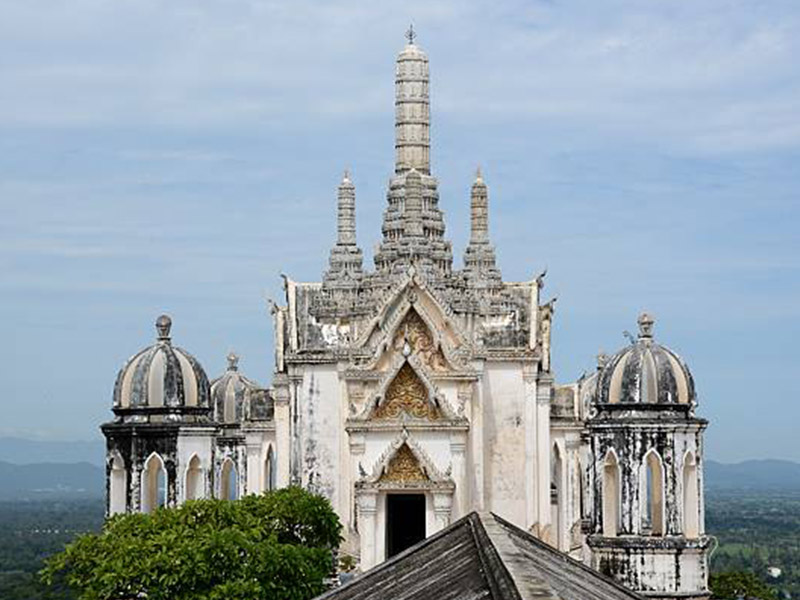
Phra Nakhon Khiri National Museum was originally a royal palace of King Rama IV, situated on the summit of three interconnected mountaintops, the highest of which is 95 meters high. This mountain was originally called Khao Samon (Sa-mon).
On the eastern slope of the mountain was a temple called Wat Samon (Sa-ma-na). In a royal decree from Rama IV, the mountain is referred to as Khao Mahasamana. In 1861, the King bestowed the name "Khao Mahasawan" (Mahasawan Mountain), which was later changed to "Khao Mahisawan." King Rama IV ordered the construction of a royal palace on Khao Mahisawan in 1859.
Chao Phraya Sri Suriyawong (Chuang Bunnag) was the chief overseer of the construction, and Phra Phet Phisai Srisawat (Tuam Bunnag) was the construction supervisor. Upon completion, the King granted permission for its construction to be completed. The palace was named "Phra Nakhon Khiri." The construction of the palace was on three mountaintops: the western mountaintop where the royal residence was built, the eastern mountaintop where Wat Phra Kaew Noi was built, and the central mountaintop where Phra That Chom Phet was built, all named "Phra Nakhon Khiri." Prince Damrong Rajanubhab, in his memoirs, recorded that King Mongkut (Rama IV) foresaw a global shift due to the rise of Western power in the East, and that Thailand might have future dealings with the West. Therefore, he began studying English... and various other subjects.
Evidence suggests he studied mathematics... Between the ages of 40 and 47, he began studying English and various Western subjects. Because of his studies in Western knowledge, King Mongkut incorporated Western architectural styles into the construction of the palace. And various royal halls during his reign, such as the Ananta Samakhom Throne Hall, the Phra Abhinai Niwet complex in the Grand Palace, and Phra Nakhon Khiri, etc. The construction of Phra Nakhon Khiri used Neoclassical architecture as a model, but the craftsmanship shows the influence of Chinese architecture, such as the molding of the roof ridges and the use of banana leaf-shaped tiles.
Entrance fees to Phra Nakhon Khiri National Museum (Khao Wang), Phetchaburi Province are as follows:
Thai citizens: 20 baht
Foreigners: 150 - 200 baht

Latest news
City Highlights Temple , Market Walking Tour and more....
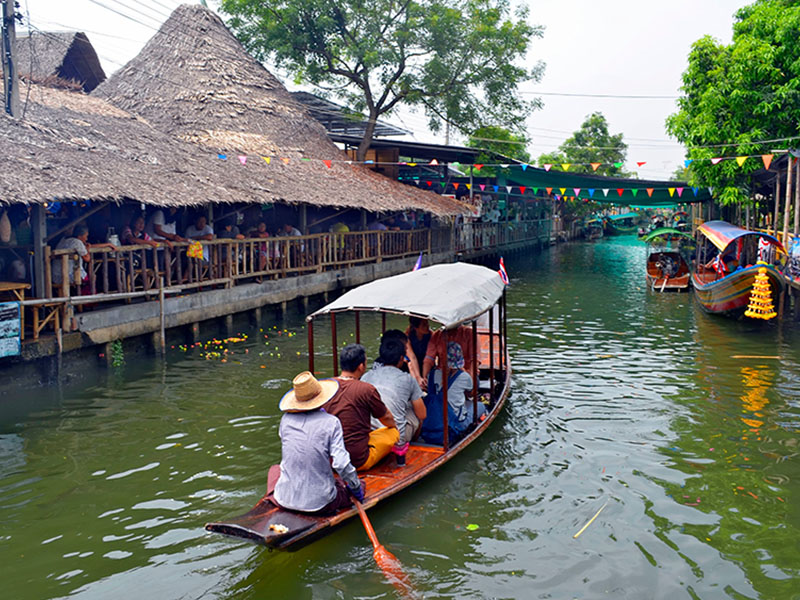
ตลาดน้ำคลองลัดมะยม ( Khlong Lat Mayom Floating Market ) แขวงบางระมาด เขตตลิ่งชัน | กรุงเทพ
Khlong Lat Mayom Floating Market, Bang Ramat Subdistrict, Taling Chan District | Bangkok...
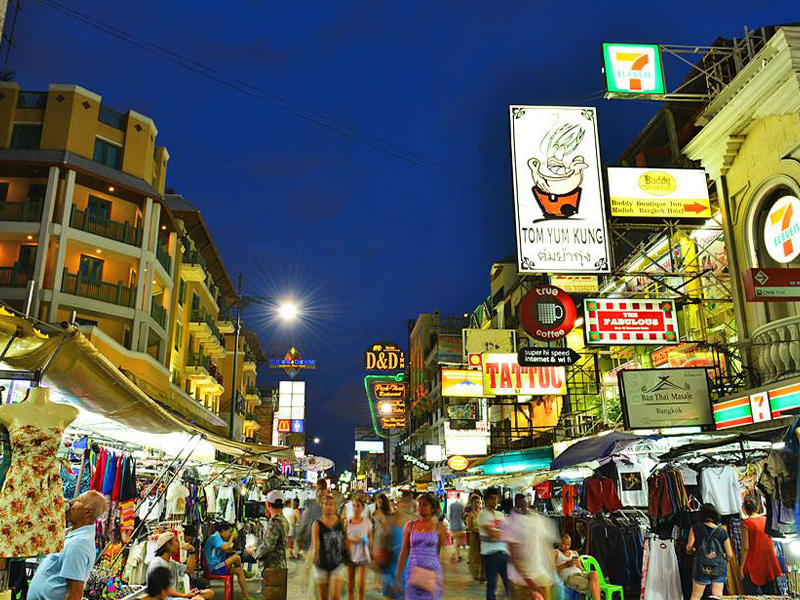
ถนนข้าวสาร ( Thanon Khao San) พระนคร | กรุงเทพมหานคร
Khao San Road (Thanon Khao San) Phra Nakhon | Bangkok...
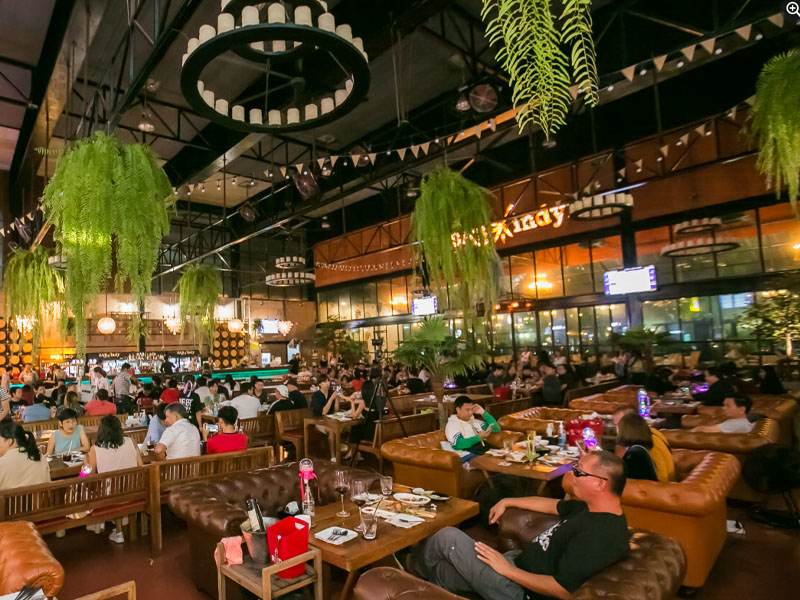
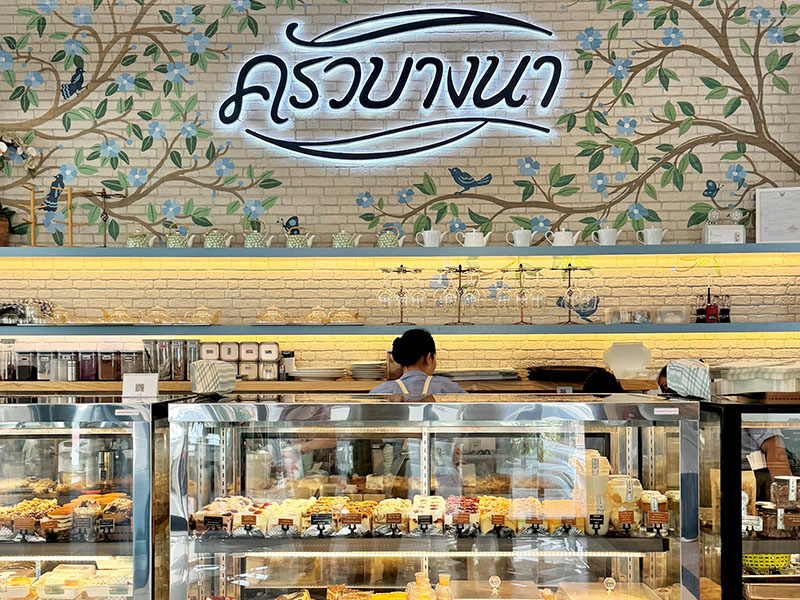
ครัวบางนา ซอย บางนา-ตราด 42 ( Bangna Kitchen ) | กรุงเทพมหานคร
Bangna Kitchen, Soi Bangna-Trad 42 | Bangkok...
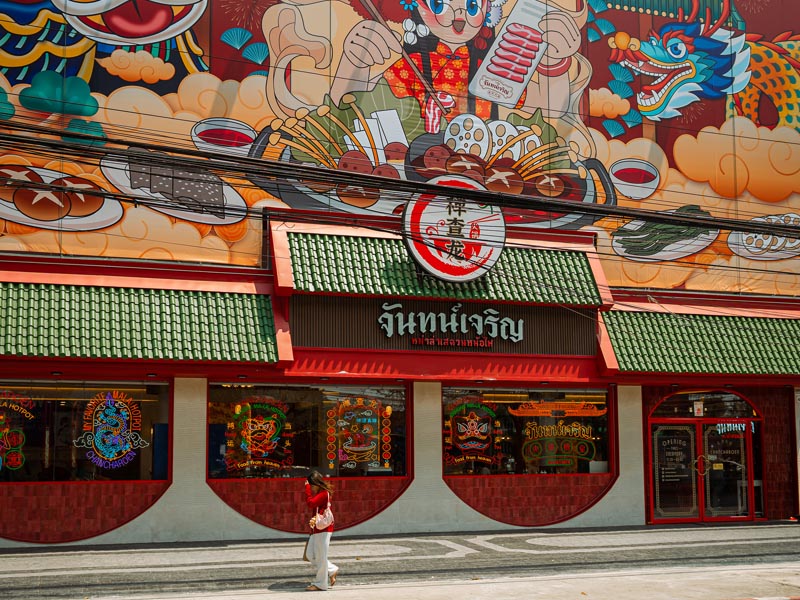
จันทน์เจริญ หม่าล่าเสฉวนหม้อไฟ (Chan Charoen Sichuan Mala Hot Pot) | กรุงเทพ
Chan Charoen Sichuan Mala Hot Pot | Bangkok...
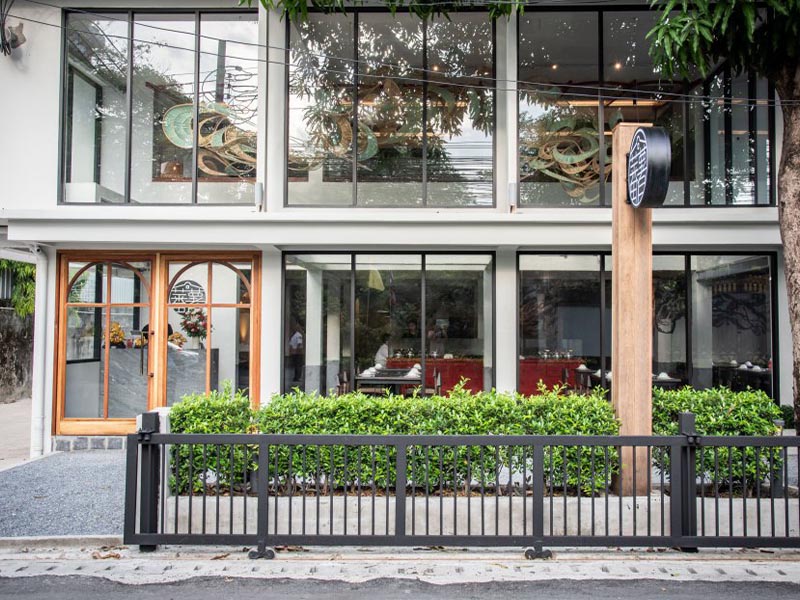
ร้านหม้อไฟสไตล์ไต้หวัน HANJI Authentic Taiwanese Hotpot ทองหล่อ ซอย23 | กรุงเทพ
HANJI Authentic Taiwanese Hotpot Restaurant Thonglor Soi 23 | Bangkok...
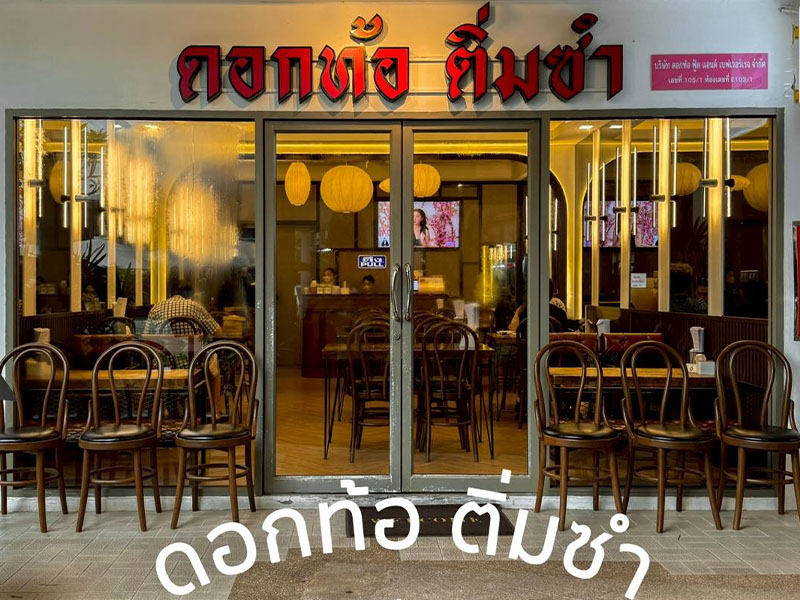
ดอกท้อ ติ่มซำ ( Dok Tho Dim Sum ) สาขาบอง มาเช่ร์ จตุจักร | กรุงเทพ
Dok Tho Dim Sum, Bon Marche Branch (Chatuchak) | Bangkok...
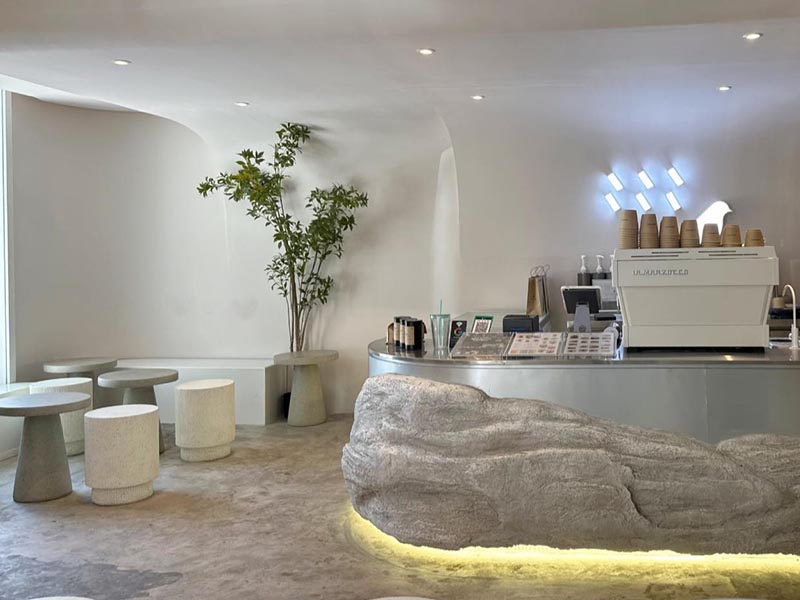
คาเฟ่ฤดูฝนย่านเจริญนคร เรนฟอเรสต์ คาเฟ่ ( Rainforest Cafe Bangkok ) | กรุงเทพ
Rainforest Cafe Bangkok, Rainforest Cafe Bangkok in Charoen Nakhon area | Bangkok...
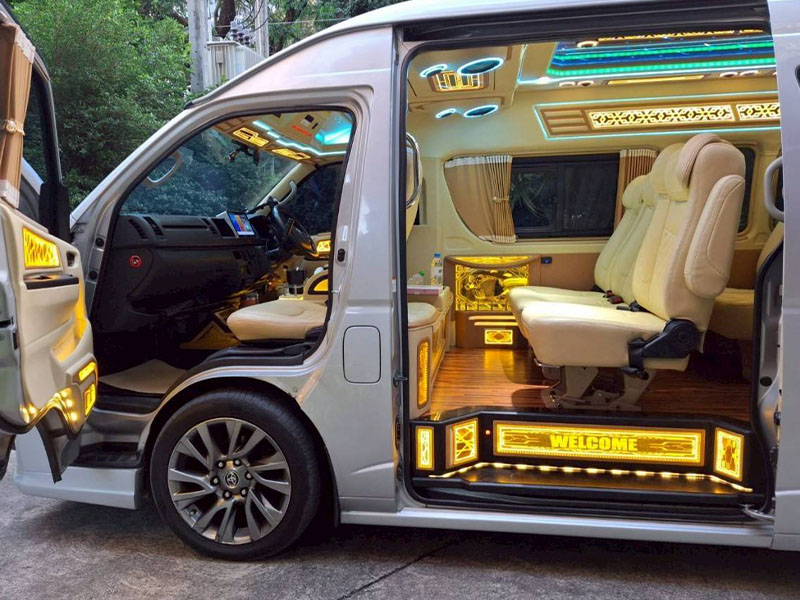
บริการ รถตู้ VIP ( VIP Van Service with Professional Driver ) | กรุงเทพ
VIP Van Service with Professional Driver | Bangkok...
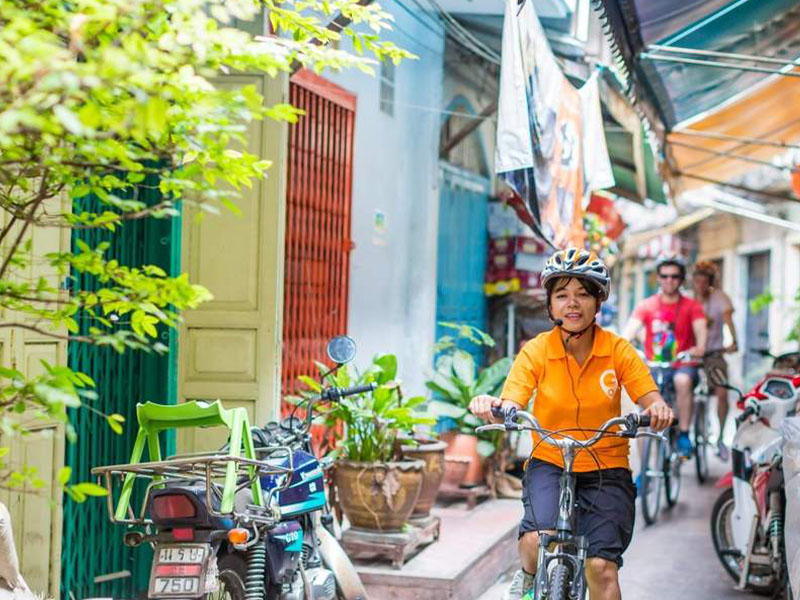
กิจกรรม ทัวร์ปั่นจักรยานรอบกรุงเทพฯ โดย Go Bangkok Tours | กรุงเทพ
Activities: Bike tour around Bangkok by Go Bangkok Tours | Bangkok...
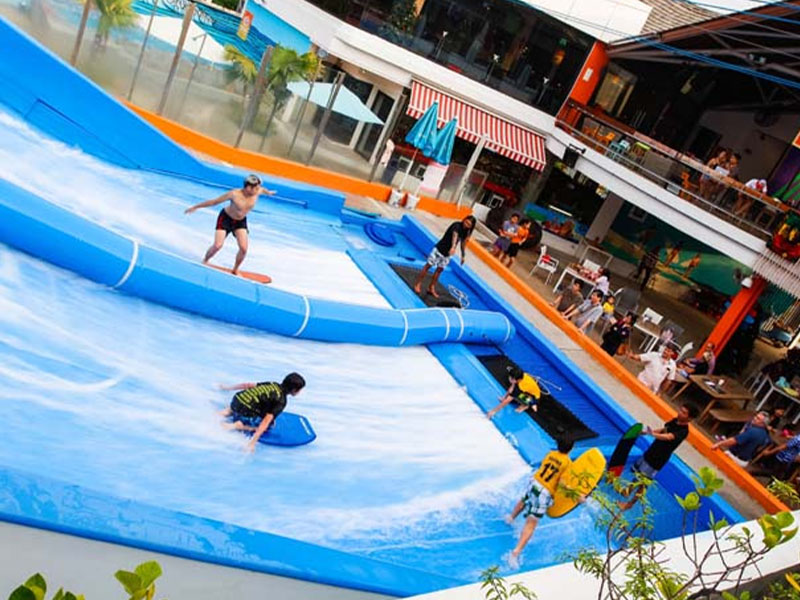
กิจกรรม ( โฟลว์เฮ้าส์ กรุงเทพ ) Flow House Bangkok - สุขุมวิท 26 (A-Square) |กรุงเทพ
Activities (Flow House Bangkok) Flow House Bangkok - Sukhumvit 26 (A-Square) | Bangkok...
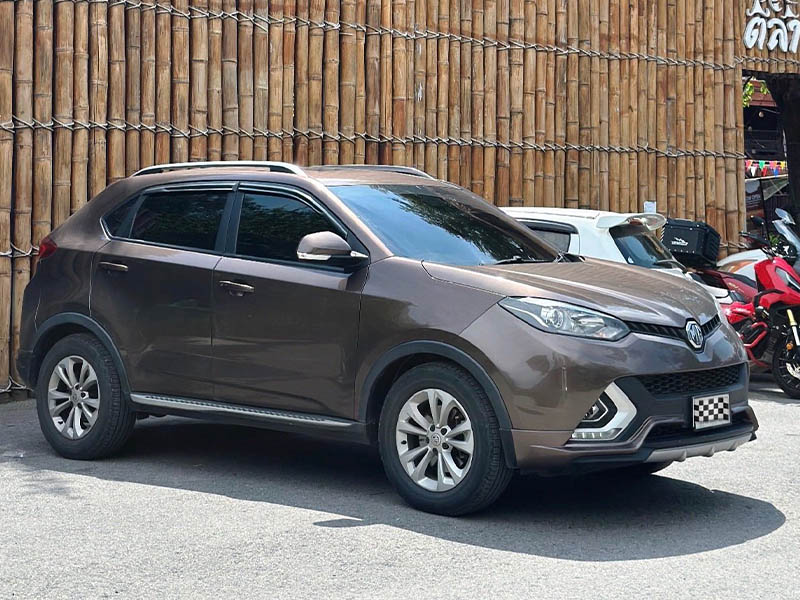
รถเช่าพร้อมคนขับ ( Car rental with driver, good service, sedan, SUV, van, VIP van ) | กรุงเทพ
Car rental with driver, good service, sedan, SUV, van, VIP van | Bangkok...
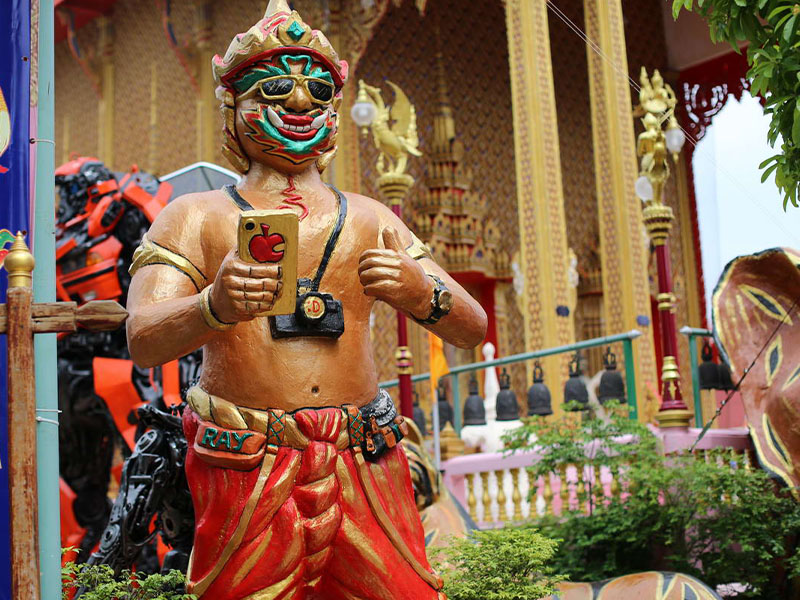
ตลาดน้ำวัดตะเคียน (Wat Takian Floating Market @Nonthaburi) | นนทบุรี
Wat Takian Floating Market @Nonthaburi | Nonthaburi...
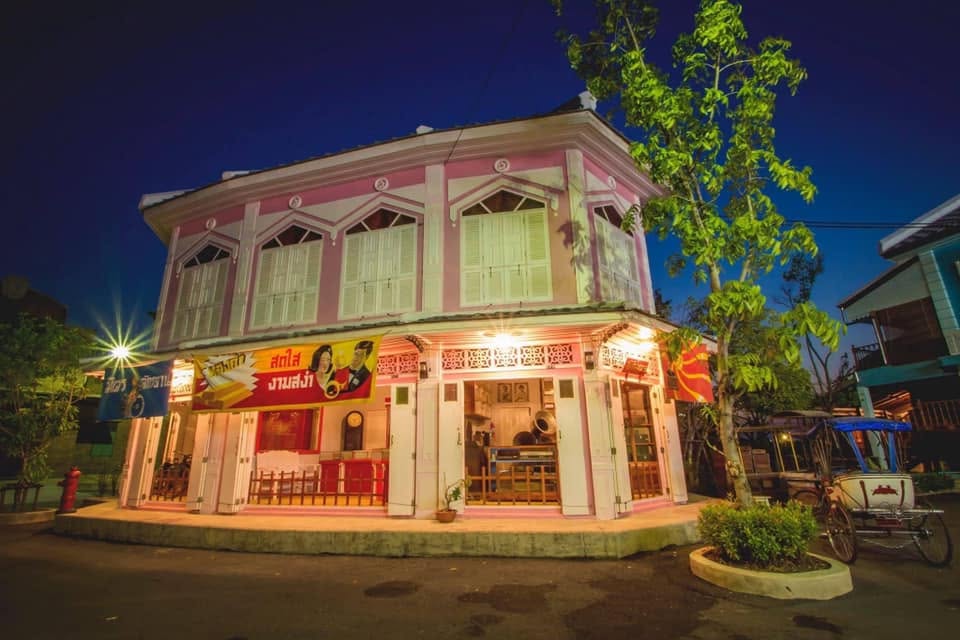
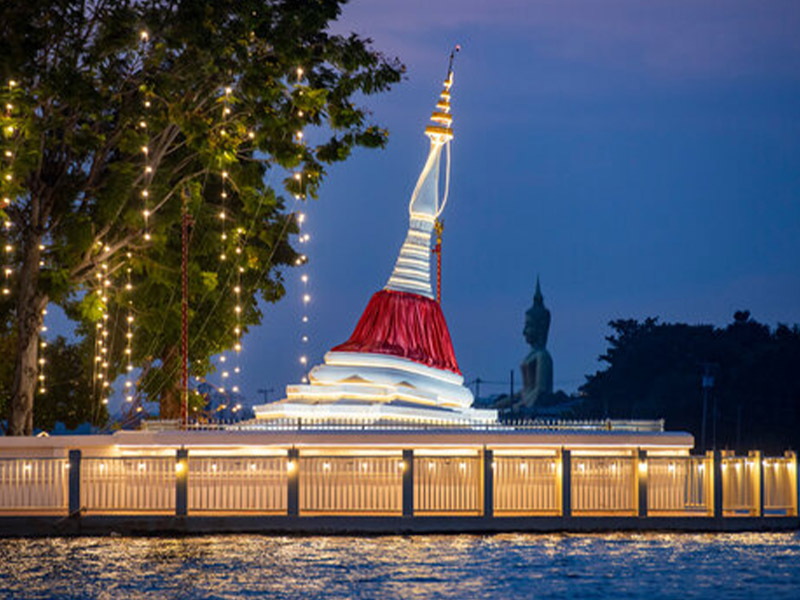
ที่ท่องเที่ยววัดปรมัยยิกาวาส นนทบุรี ( Wat Poramai Yikawat @Nonthaburi ) | นนทบุรี
Wat Poramai Yikawat | Nonthaburi...

พิพิธภัณฑสถานแห่งชาติ พระนครคีรี (Phra Nakhon Khiri National Museum) | เพชรบุรี
Phra Nakhon Khiri National Museum | Phetchaburi...
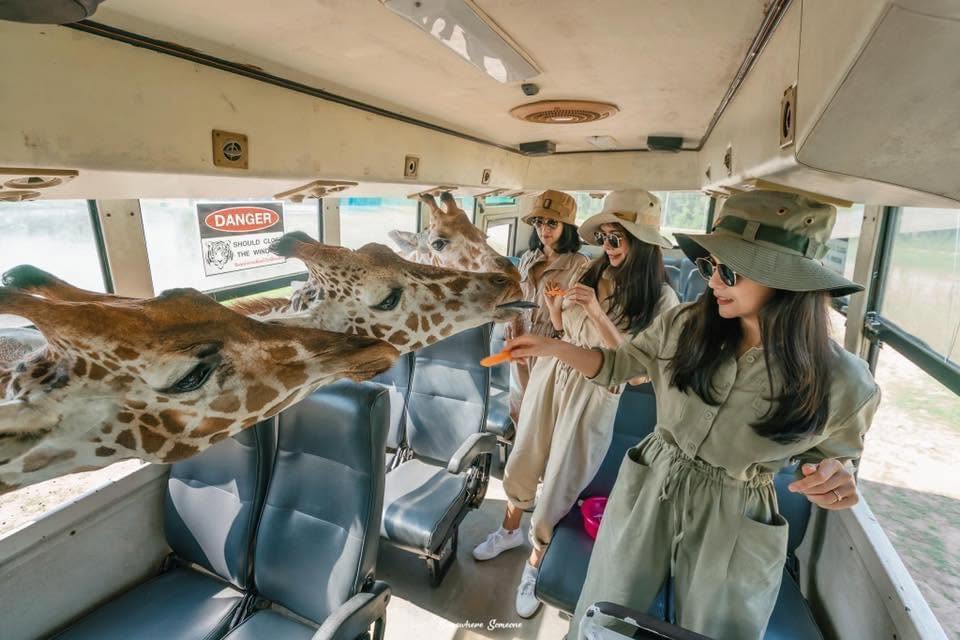
ซาฟารีปาร์ค & แคมป์ กาญจนบุรี (Safari Park Kanchanaburi ) | กาญจนบุรี
Safari Park Kanchanaburi ( Open zoo ) | Kanchanaburi ...
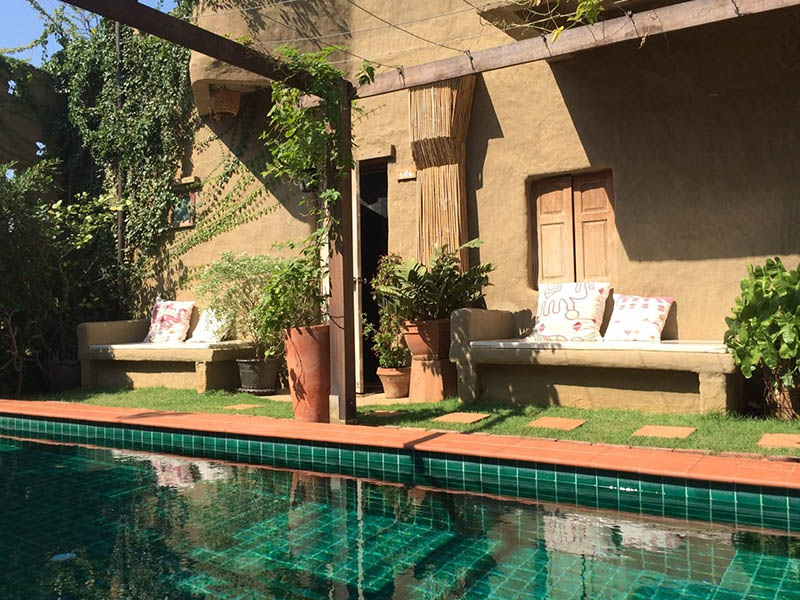
ที่พัก ปราณเบอร์รี่ เอิร์ธ ( Pranberry Earth) อำเภอปราณบุรี | ประจวบคีรีขันธ์
Pranberry Earth | Pranburi District, Prachuap Khiri Khan...
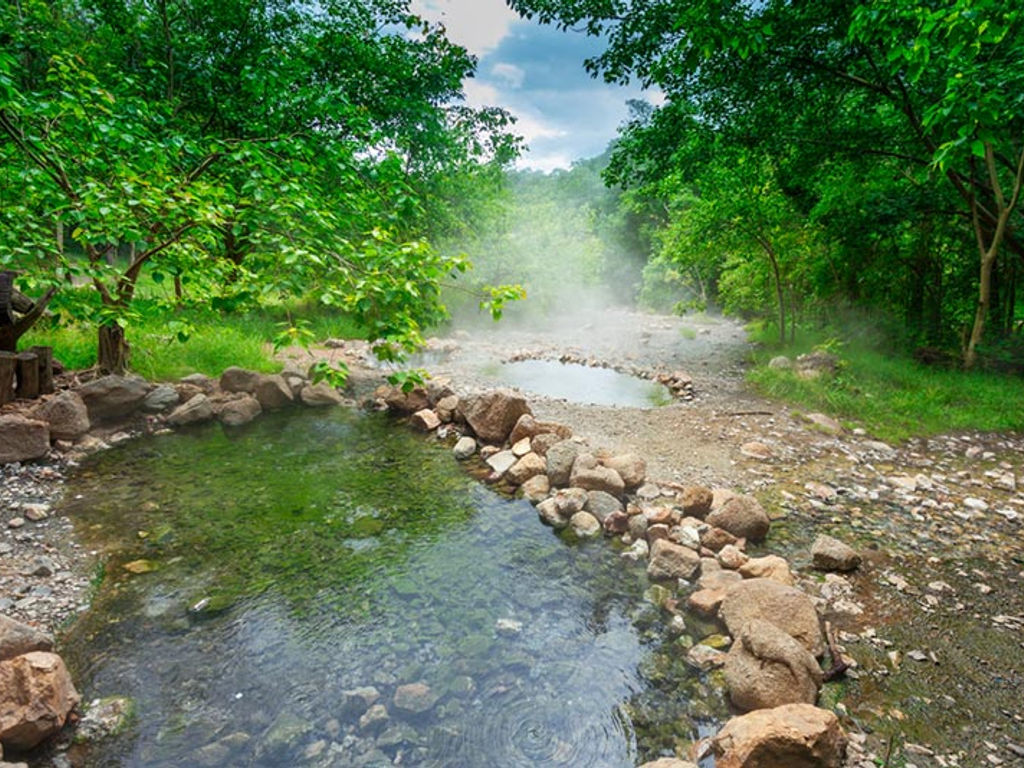
น้ำพุร้อนโป่งน้ำร้อนท่าปาย (Pai Hot Spring) แม่ฮี้ อำเภอปาย | แม่ฮ่องสอน
Pai Hot Spring, Mae Hee, Pai District | Mae Hong Son...
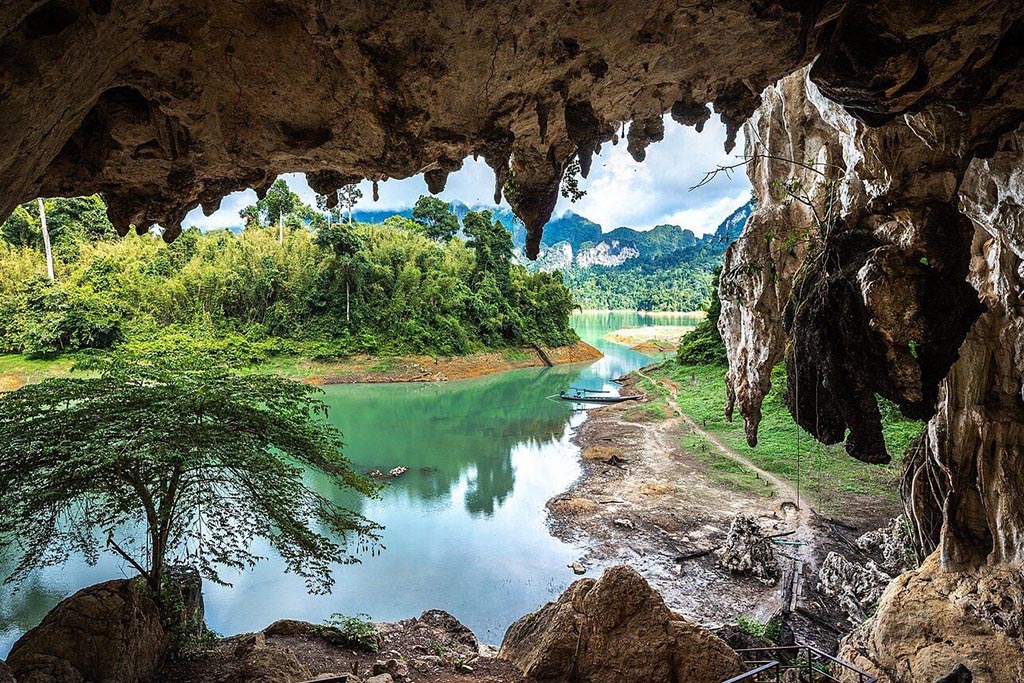
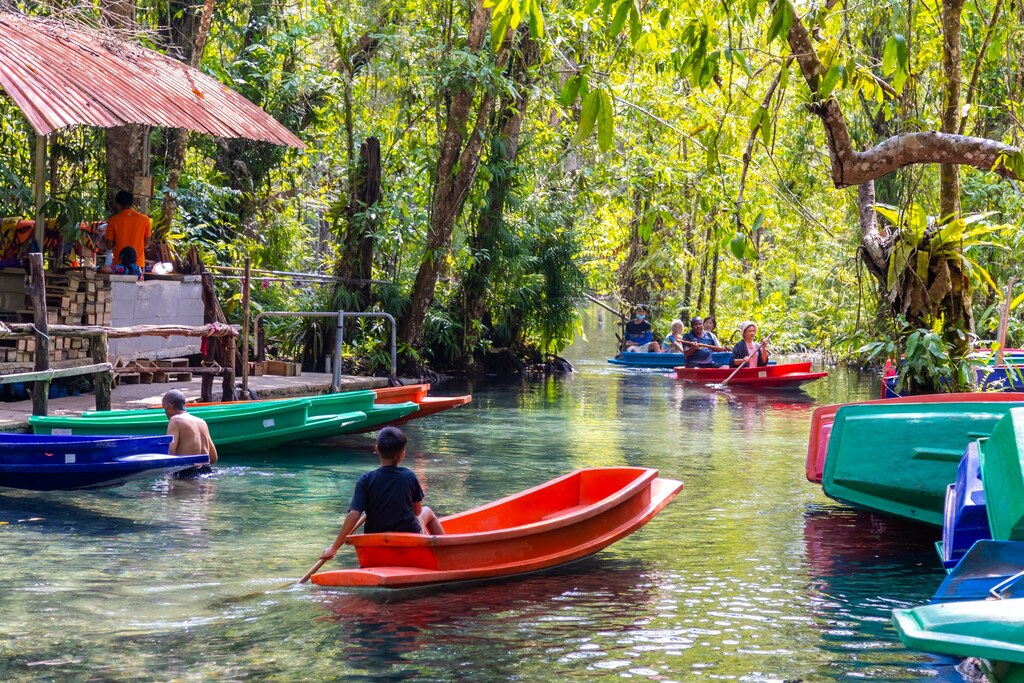
ป่าต้นน้ำบ้านน้ำราด (Fa Ton Nam Ban Nam Rat) | จังหวัดสุราษฎร์ธานี
Fa Ton Nam Ban Nam Rat | Surat Thani Province...
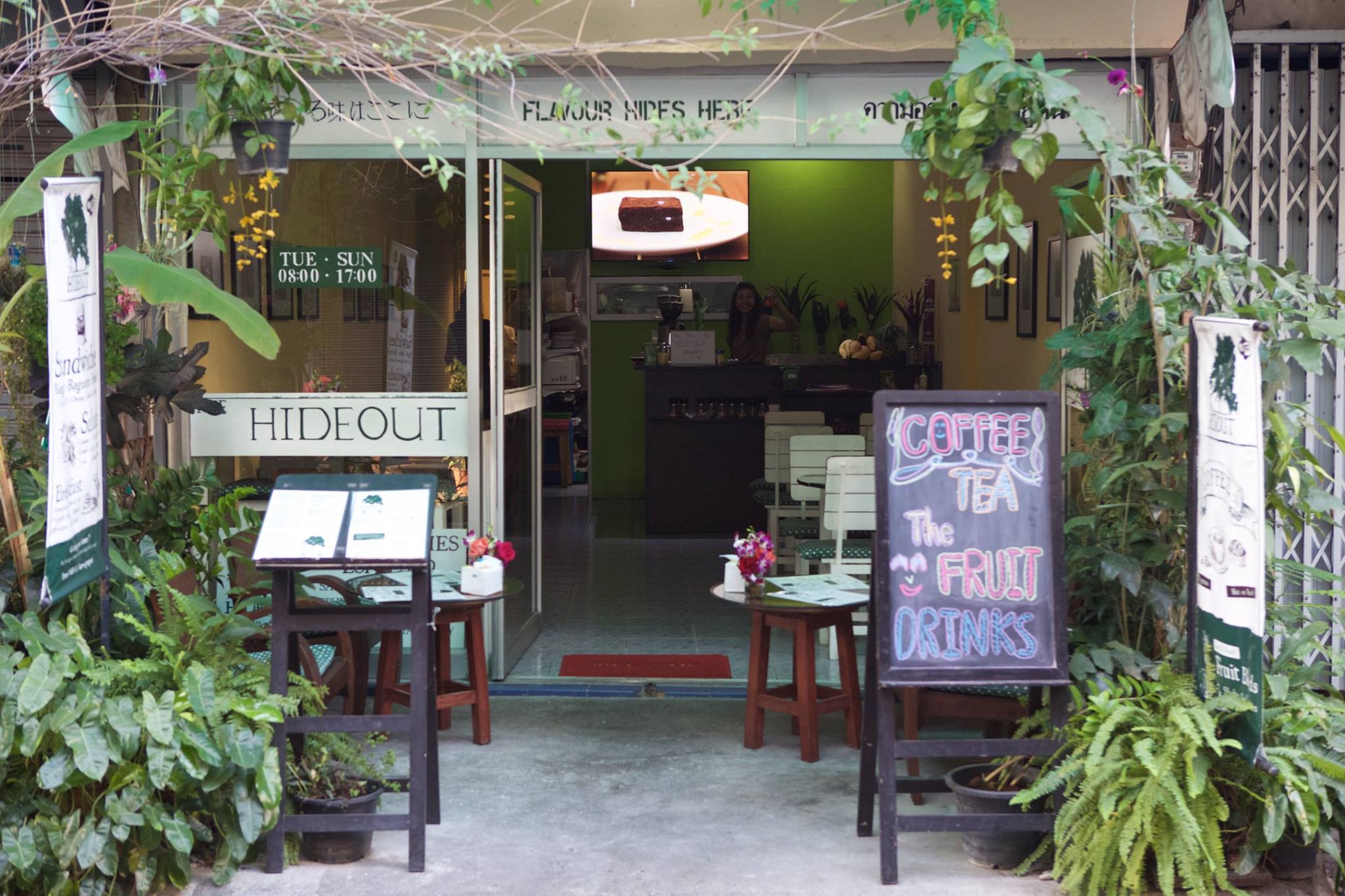
คาเฟ่ The Hideout ร้านเล็กๆ สไตล์มินิมอล ถ. สิทธิวงศ์ | เชียงใหม่
The Hideout Cafe is a small, minimalist-style cafe | Chiang Mai...
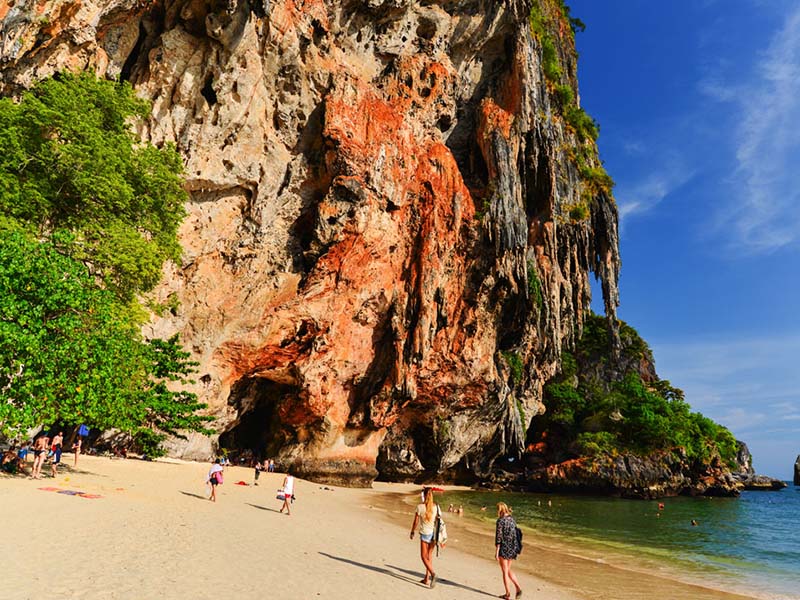
อ่าวและชายหาด หาดถ้ำพระนาง อ่าวนาง เมือง (Phra Nang Cave Beach ) | กระบี่
Bays and beaches, Phra Nang Cave Beach | Krabi...
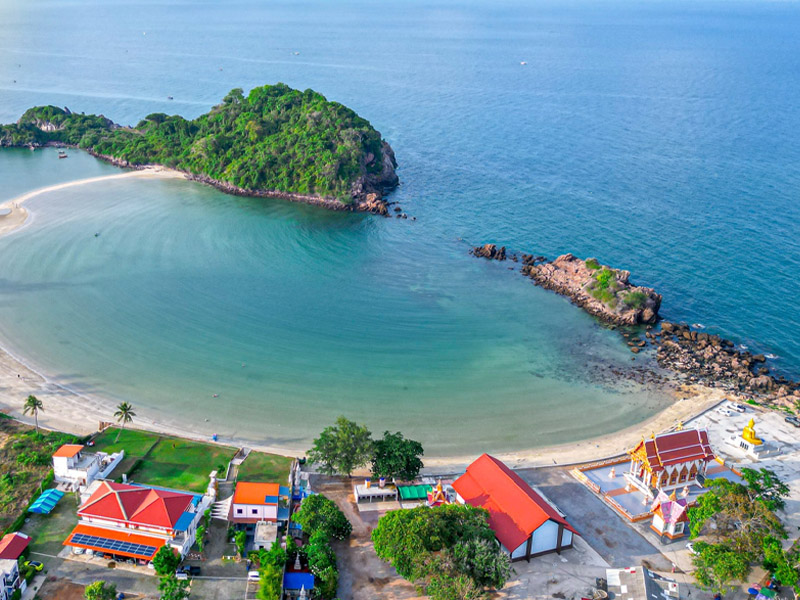
อ่าวบ่อทองหลาง และ ชายหาดบ้านกรูด (Ao Bo Thong Lang, Ban Krut Beach ) บางสะพาน | ประจวบคีรีขันธ์
Ao Bo Thong Lang, Bang Saphan District, near Ban Krut | Prachuap Khiri Khan...